Tag: Player Progress

HOK Challenges Designed For Improvement
Navigating the competitive ladder in Honor of Kings often requires players to move past standard gameplay routines and seek out structured difficulties. While casual matching provides a familiar environment, engaging with specific in-game trials serves as a catalyst for rapid skill development. By deliberately stepping out of your comfort zone, you can identify hidden weaknesses and elevate your execution on the battlefield.
Targeted Training for Mechanical Execution
True competitive mastery depends heavily on your ability to execute complex hero combinations flawlessly during chaotic encounters. Utilizing specialized combat trials allows players to isolate specific micro-skills without the distraction of full match dynamics. This focused repetition builds muscle memory, transforming reactive button inputs into precise strategic execution.
Furthermore, these controlled scenarios provide an ideal environment for testing the technical limits of various character kits. Understanding exact spell ranges and timing variables gives you a distinct advantage over unprepared adversaries. Consistently dedicating time to these technical drills ensures your mechanical performance remains stable under high-pressure scenarios.
Optimizing Macro Awareness and Decision Making
Beyond individual physical reflexes, climbing the ranked ladders requires a sophisticated understanding of map-wide pacing. Strategic trials designed to test spatial judgment force players to keep a constant eye on the environment and anticipate enemy rotations. Developing these predictive habits prevents unexpected ambushes and allows your squad to maintain optimal positioning.
Learning how to prioritize major objectives over chasing individual kills is another vital outcome of structured challenges. Focus shifts away from endless skirmishes toward calculating the long-term value of neutral monster buffs and lane management. Players who internalize these macro-level systems can smoothly dictate the flow of combat from the opening minutes.
Building Psychological Resilience in Competitive Environments
Experiencing high-stakes matchmaking can frequently cause performance anxiety and lead to compounding tactical errors. Engaging in specific high-difficulty trials offers a safe space to cultivate a disciplined mindset and manage internal stress. By transforming intimidating scenarios into predictable exercises, competitors can maintain mental absolute trust during intensive late-game team fights.
Viewing every challenging outcome as an educational milestone rather than a setback is essential for sustainable progression. Analyzing spatial mistakes or mistimed team coordination options prevents you from repeating the same behavioral patterns in future queues. Embracing this analytical perspective converts potential frustration into an actionable roadmap toward ultimate victory.
Adapting Roster Synergy for Team Success
Succeeding in a multiplayer online battle arena relies heavily on how fluidly five independent players coordinate their unique roles. Diverse situational trials encourage individuals to expand their hero pools and master versatile character archetypes. Becoming comfortable with different tactical playstyles makes you a highly dependable ally across various team compositions.
Understanding draft flexibility and adapting your build to counter specific threats ensures your squad remains competitive in any matchmaking tier. Clear communication through quick pings helps synchronize collective movements and secure crucial targets efficiently. Ultimately, mastering these collaborative challenges transforms disjointed solo efforts into an unstoppable competitive force.

Winning Through Quiet Confidence
In high-stakes competitive environments, success is frequently attributed to visible aggression and loud displays of dominance. However, an increasing number of elite operators are proving that lasting victories are achieved through a measured, internal sense of assurance instead. This shift toward quiet confidence marks a fundamental evolution in how performance is measured across modern arenas.
The Psychology of Internal Alignment
True expertise manifests not through erratic displays of speed, but through a deeply anchored state of self-belief that does not require constant external validation. Psychologists note that high achievers often fall victim to temporary satisfaction when they rely solely on public approval or immediate milestones. By focusing on internal alignment, individuals can break free from the stressful cycle of comparison and maintain peak performance over long periods.
Developing this mindset involves recognizing the crucial difference between temporary status and long-term fulfillment. When your identity is securely tied to your actual capabilities rather than a desire to impress others, panic is replaced by calculation. This mental foundation allows professional players and executives alike to approach complex challenges with complete emotional stability.
Modulating Intensity Over Brute Force
While average competitors often exhaust their energy by operating at maximum intensity at all times, masters have learned the art of deliberate restraint. They understand that sustainable progress requires conserving resources and striking only when the odds heavily favor success. This disciplined approach eliminates unnecessary risks and transforms potential chaos into a predictable tactical advantage.
Operating with quiet certainty means you no longer feel compelled to answer every minor provocation from your opponents. By choosing your battles wisely, you keep your strategic vision clear and save critical energy for the final stages of a match or project. This deliberate pacing separates those who merely start strong from those who consistently finish victorious.
Mastering the Power of Observation
Stealth and deep situational awareness are far more valuable than possessing top-tier equipment or raw physical speed alone. Elite performers spend considerable time analyzing the environment and reading subtle behavioral patterns before making a definitive move. This silent preparation ensures that every action taken is highly purposeful and calculated to yield the maximum possible result.
Listening carefully to your surroundings often reveals vital hidden opportunities that aggressive competitors completely overlook in their rush. Cultivating this high level of awareness allows you to anticipate structural shifts and stay several moves ahead of the competition naturally. In the end, winning is not about making the most noise, but about executing the right choice at the perfect moment.
Building Resilience Through Stillness
When unexpected setbacks occur, the naturally confident individual relies on a baseline of composure rather than emotional reactions. They view mistakes objectively as valuable data points that can be used to refine their overall strategy moving forward. This flexible perspective prevents irritation from clouding critical judgment during high-pressure situations.
Maintaining an unshakeable presence ensures that you can adapt fluidly even when your original plans fall apart completely. By embracing a calm demeanor, leaders and competitors foster unified trust within their teams and comfortably navigate impossible odds. Ultimate triumph belongs to those who trust their training, respect their opponents, and execute their vision with quiet authority.
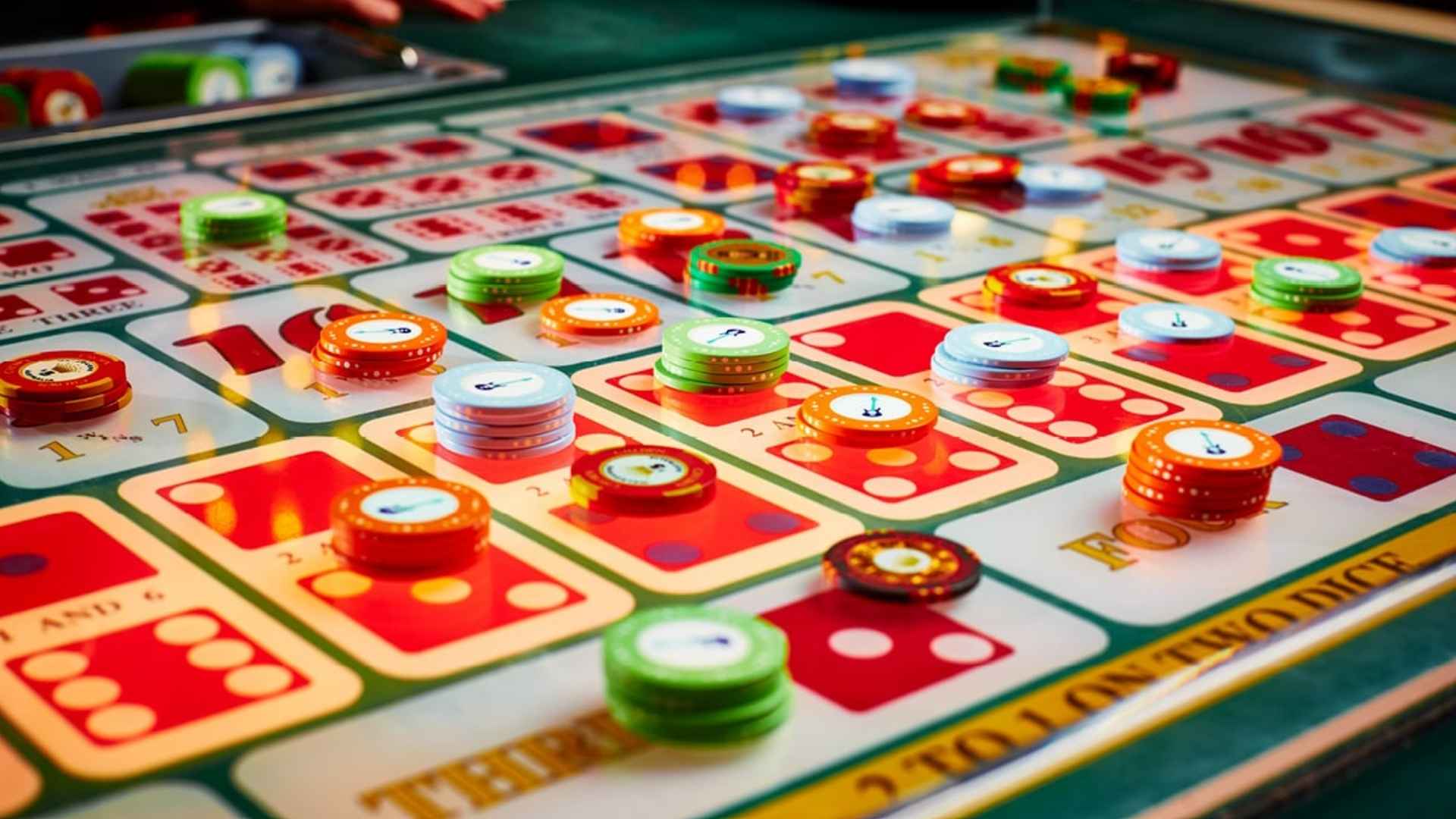
Every Baccarat Table Offers Something Different
Baccarat is often celebrated for its elegant simplicity, yet stepping onto a modern casino floor reveals a surprisingly diverse landscape of gameplay options. While the core objective of predicting the winning hand remains consistent, subtle modifications in table setups, stakes, and player roles ensure that no two setups feel exactly alike. Exploring these various formats allows players to find a custom match for their individual strategy and risk tolerance.
The Structural Differences of Traditional Layouts
Classic baccarat layouts are known for their grand scale, often accommodating up to fourteen players in a secluded casino environment. In this formal setting, participants are frequently invited to physically handle the cards, which adds a tactile layer of suspense to every round. This format caters primarily to high rollers who appreciate traditional rituals and a more deliberate, leisurely pace of play.
Conversely, smaller layouts streamline the entire process by shifting all card-dealing responsibilities exclusively to the casino dealer. This layout design completely eliminates complex table etiquette, making the game far more approachable for everyday enthusiasts. Choosing between these physical environments significantly alters how a player interacts with both the dealer and fellow participants.
How Betting Limits and Pacing Reshape the Game
Beyond physical appearance, the internal dynamics of each table are heavily influenced by specific table limits and dealing speeds. High-limit tables offer a highly intense atmosphere where substantial wagers create a dramatic, psychological tug-of-war. These premium spots prioritize privacy and meticulous bankroll management over rapid turnarounds.
On the casual side of the floor, faster variants cater to those who prefer immediate results and high action per minute. For players seeking a reliable digital gateway to experience these diverse dynamics safely, exploring the Link M88 Mansion network provides a secure environment tailored to various budgets. The variation in limits ensures that casual newcomers and seasoned veterans can find an appropriate comfort zone.
The Operational Freedom of Player Banking
One of the most profound variations across different tables lies in who controls the bank's financial stakes. In standard configurations, the house acts as the permanent banker, maintaining a highly structured and predictable game flow. This setup guarantees that drawing choices are bound strictly by automatic casino regulations, leaving little room for human error.
However, specific regional formats completely flip this dynamic by allowing players to take turns acting as the banker. This operational twist introduces genuine strategic decision-making, as the temporary banker must decide whether to draw additional cards based on active competition from opponents. This fundamental shift transforms a game of pure probability into a fascinating psychological duel among peers.
Innovative Side Wagers and Commission Rules
Modern developers continue to introduce unique mathematical adjustments to traditional formats to keep the table experience fresh. Many contemporary tables remove the standard five percent commission fee on winning banker bets, completely altering the payout structure. This adjustment simplifies payout calculations while introducing specific conditions where certain winning hands pay out differently.
Additionally, the inclusion of distinct optional side wagers allows participants to hunt for larger payout multipliers based on specific card combinations. These optional bets provide alternative objectives beyond simply picking the winning hand, adding layers of entertainment. Ultimately, the continuous evolution of rules guarantees that every distinct table has a unique story to tell.