The Hidden Vocabulary Behind Every Poker Decision
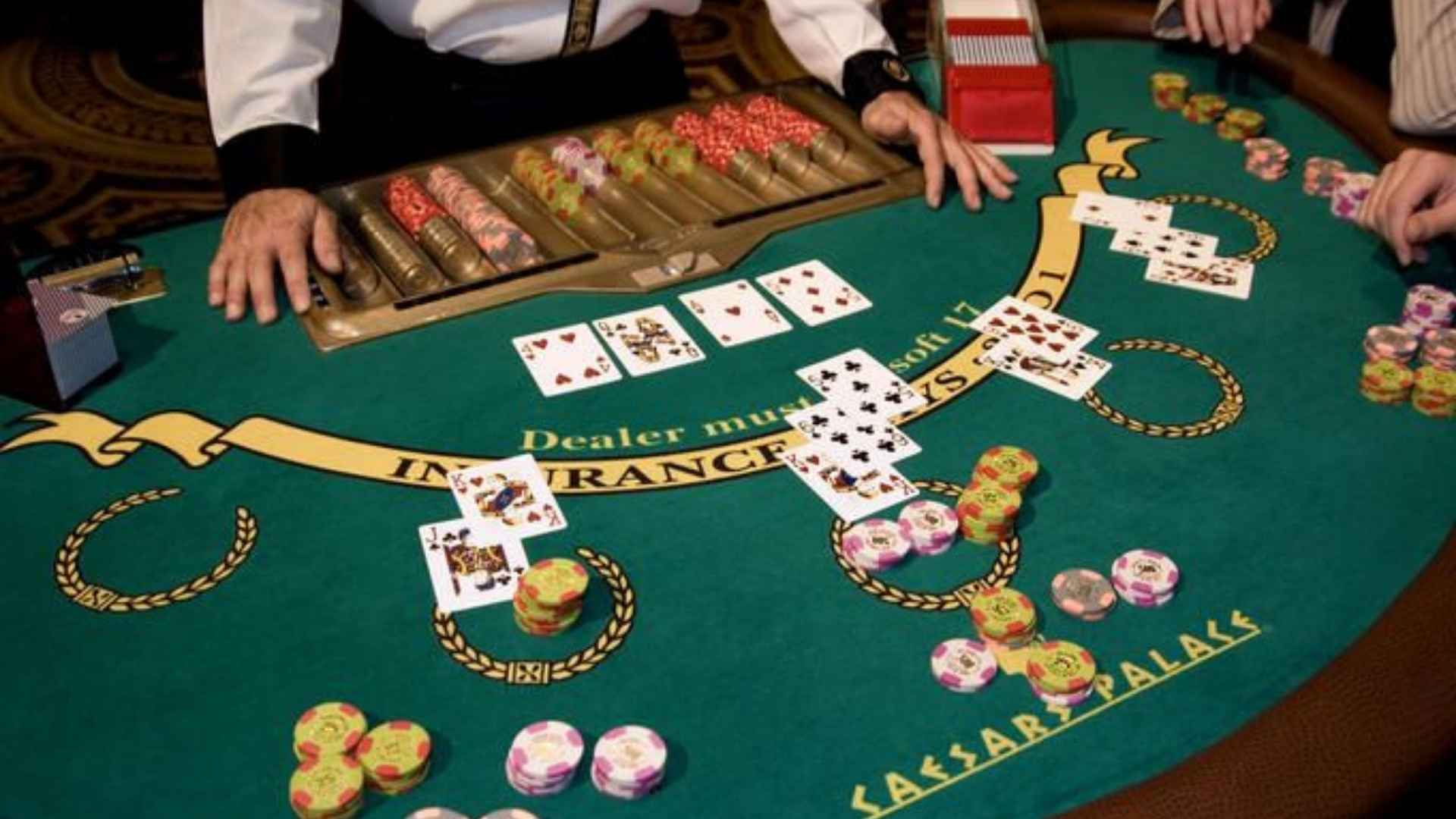
Behind the visible chips and cards at a competitive table lies an intricate language that dictates the flow of every single hand. Professional players do not merely react to their cards; they decode subtle situational variables that function as a silent dialogue. Understanding this hidden vocabulary is what transforms a casual enthusiast into a truly strategic competitor.
The Dialect of Positional Leverage
Where a player sits at the table forms the foundational grammar of their strategic communication. Acting last in a betting round offers an immense informational advantage that changes how ranges are constructed. Experienced participants use this spatial language to control the size of the pot and dictate terms to their opponents.
Conversely, playing from early positions requires an entirely different lexicon characterized by caution and defensive strength. Initiating the action without knowing how the rest of the table will react forces players into narrower, more predictable ranges. Mastering these positional nuances ensures that every bet made carries a clear, calculated message.
Deciphering the Mechanics of Sizing
The specific amount of chips placed into the pot represents a highly detailed conversation between opponents. A small, calculated wager can serve as an invitation or a subtle probe to gauge an opponent's confidence level. Meanwhile, an overbet creates an intense psychological pressure that demands an immediate, polarized response.
Understanding these sizing tells allows sharp minds to read the hidden intentions behind otherwise confusing actions. When analyzing these intricate patterns in digital settings, accessing a reputable platform like Msports provides an ideal environment to observe strategic behavior. Evaluating these mathematical choices carefully helps players avoid costly traps and maximize their long-term value.
The Silent Narrative of Timing and Pacing
How long a competitor hesitates before finalizing a decision speaks volumes about the internal state of their hand. A sudden, instantaneous check often signals vulnerability or a desire to reach the next street as cheaply as possible. On the other hand, a deliberate pause followed by aggressive action usually denotes deep calculation and balanced strength.
Recognizing these pacing variations protects players from falling prey to sophisticated bluffs and deceptive maneuvers. By tracking the physical or digital rhythm of the table, you can piece together the structural narrative of an opponent's strategy. This temporal vocabulary adds another critical layer of insight to your decision-making framework.
Managing Intangible Table Presence
While decoding the actions of others is essential, maintaining control over your own expressions is equally vital for long-term success. Superior tactical execution relies on projecting a completely consistent image regardless of the actual strength of your cards. Eliminating emotional fluctuations ensures that your opponents remain entirely in the dark.
Developing a disciplined routine for every action prevents sharp competitors from discovering leaks in your strategic approach. Treating every session with fixed concentration builds a formidable table presence that commands respect. Ultimately, fluency in this silent language elevates the game from simple recreation to a masterful art of psychological warfare.