The Art Of Making Random Outcomes Feel Meaningful
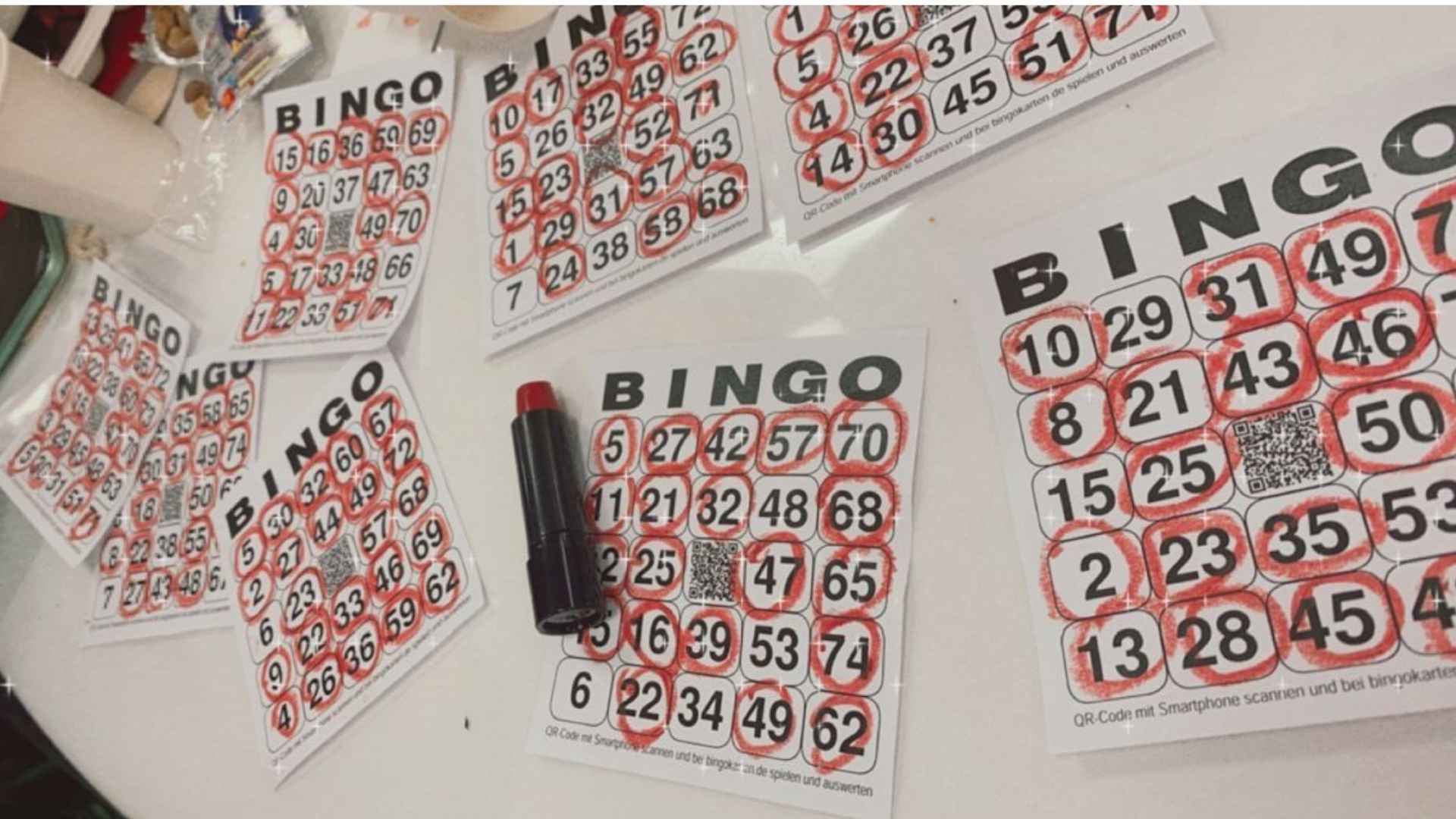
Human beings are naturally wired to search for significance in every event they experience, even when those events are driven purely by chance. Whether rolling a pair of dice, drawing a card from a shuffled deck, or watching a digital selection wheel, people rarely view a random result as mere cold probability. Instead, our cognitive architecture actively weaves stories around unscripted events, transforming simple statistical variance into a deeply engaging personal narrative.
The Psychology of Pattern Seeking
Our brains constantly scan the environment to find structure and meaning within chaotic information. When presented with completely unpredictable sequences, the mind instinctively attempts to connect isolated occurrences into a logical sequence. This cognitive mechanism helped early humans survive, and today it turns simple chance interactions into compelling psychological experiences.
When an outcome aligns with a personal expectation or desire, the emotional impact increases significantly. Even if a result occurs strictly by mathematical odds, the individual interprets the event as a timely or meaningful moment. This natural tendency forms the foundation of why casual games and randomized tools remain so captivating over time.
Designing Engaging Unpredictability
Creating experiences that make unpredictable events feel satisfying requires a careful balance of visual presentation and timing. Designers of modern interactive platforms use gradual tension, subtle sound cues, and deliberate deceleration to elevate simple mechanisms into memorable moments. By extending the anticipation phase, the final outcome feels far more earned and impactful to the observer.
In digital entertainment, transparent systems help build trust while maintaining a genuine sense of excitement. Players who read an insightful m88 review often recognize how well-designed interactive features rely on balanced probability to keep participants engaged. When users feel that a system is fair, every result carries a sense of authenticity and personal resonance.
Emotional Investment and Personal Context
A completely random result becomes truly meaningful when the participant brings their own hopes and expectations to the interaction. Before a selection occurs, individuals project their intentions onto the outcome, creating an emotional stake in the result. Consequently, the final landing point feels like a direct response to their personal choices rather than an indifferent statistical event.
This emotional connection is further amplified when chance choices are shared within a social group. When friends or colleagues watch a neutral tool make a decision together, the collective reaction transforms a plain result into a shared memory. The randomness acts as a harmless catalyst for genuine human connection and shared humor.
Finding Value in Unplanned Moments
Surrendering micro-decisions to chance can also serve as a refreshing break from daily mental fatigue. In a world full of complex choices, allowing an impartial tool to pick a direction offers immediate psychological relief. It frees the mind from overthinking while adding a lighthearted sense of adventure to routine daily activities.
Ultimately, the art of making random outcomes feel meaningful lies in how we interpret unpredictability. By combining thoughtful visual design with human curiosity, arbitrary selections can be elevated into memorable experiences. Embracing chance allows us to discover joy, humor, and unexpected clarity in the most surprising moments.