How Group Thinking Can Influence Poker Decisions
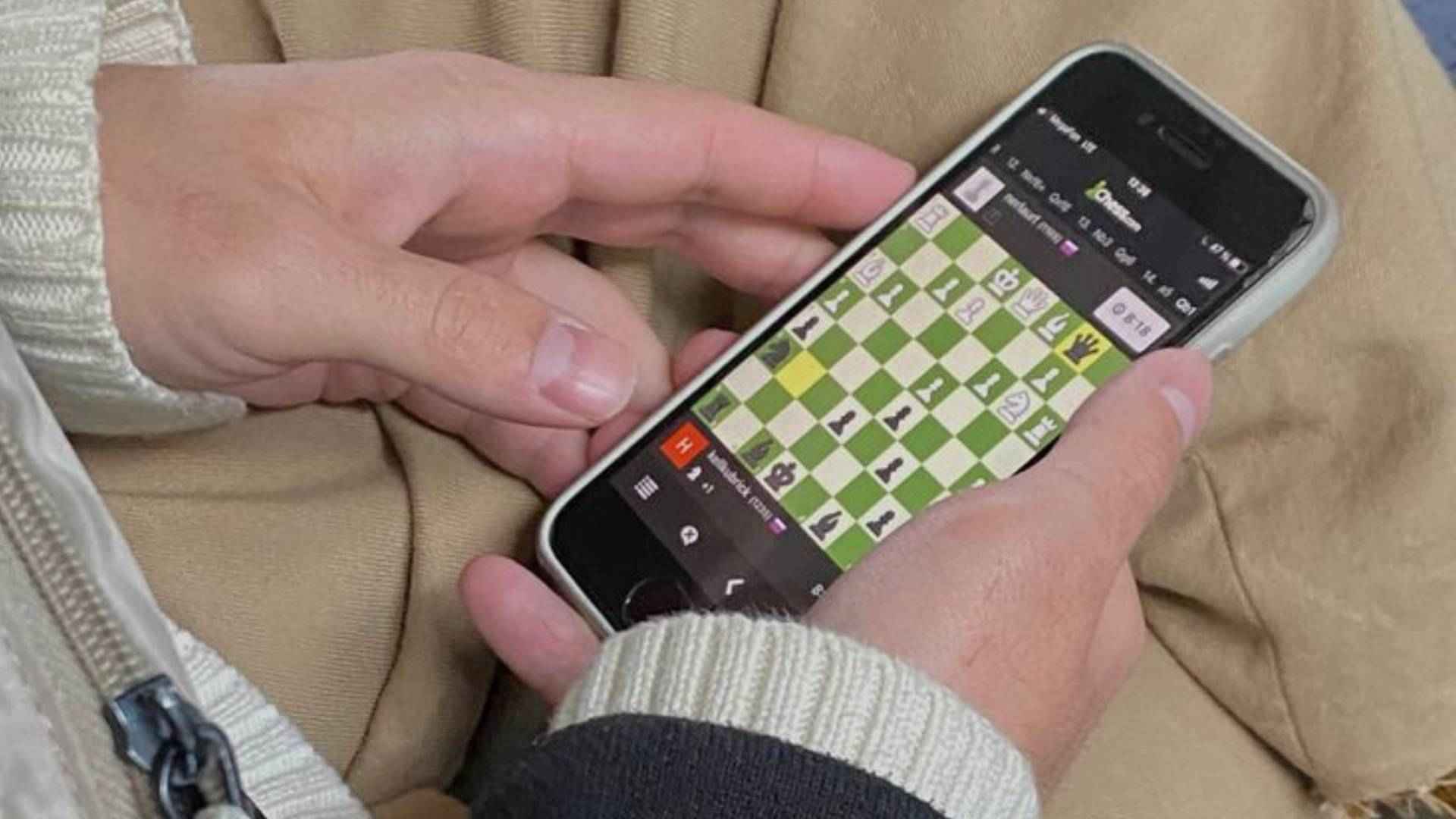
Poker is widely celebrated as an individual game of skill, strategy, and probability, yet the social environment around the table heavily shapes human behavior. When players gather in a shared physical or virtual space, group dynamics often create a subtle pressure to conform to broader collective norms. Understanding how collective sentiment influences decision-making allows individuals to recognize psychological traps and preserve their strategic independence.
The Subtle Psychology of Table Dynamics
In many live games and study groups, players subconsciously adopt the prevailing playing style of the community around them. If a table becomes excessively loose and aggressive, conservative players may feel compelled to loosen their starting hand requirements to fit in. This conformity stems from a natural desire to blend with social surroundings rather than sticking to calculated expectations.
When a group collectively agrees on a specific tactical meta, individual players often stop questioning underlying assumptions. This shared agreement can lead to blind spots where suboptimal plays are treated as standard knowledge simply because everyone performs them. Overcoming this requires continuous self-reflection and a commitment to independent strategic evaluation.
How Herd Mentality Alters Risk Perception
Group thinking significantly alters how an individual evaluates risk during high-stakes hands. Seeing multiple opponents play aggressively can normalize reckless choices, making dangerous bluffs or wide calls feel surprisingly reasonable. Conversely, an overly cautious table environment can suppress profitable aggression out of a fear of standing out negatively.
Many players research alternative online platforms using sources like m88 ทางเข้า สํา รอง 2022 to analyze how different player pools behave across various regions. Observing diverse environments highlights how localized group norms dictate betting patterns and game speeds. Recognizing these regional shifts helps players stay adaptable rather than relying on a single collective mindset.
The Danger of Shared Misconceptions in Study Groups
Poker strategy circles and discussion forums serve as great tools for growth, but they can also foster harmful echo chambers. When a prominent group leader endorses a flawed line of play, members frequently accept the analysis without rigorous testing. Over time, these shared misconceptions become ingrained habits that hinder long-term progress.
To prevent collective biases from degrading your game, it is essential to balance group study with personal hand analysis. Relying on objective software tools and mathematical fundamentals ensures that your choices remain grounded in cold logic. Independent validation remains the best defense against popular yet unprofitable strategic trends.
Developing Immunity to Group Conformity
Building psychological independence at the felt requires intentional discipline and emotional regulation. Disciplined players focus strictly on expected value, pot odds, and opponent ranges rather than giving in to ambient table pressure. Remaining detached from collective mood shifts preserves mental clarity during volatile sessions.
Ultimately, resisting group think allows sharp strategists to exploit the predictable errors of conforming opponents. By consistently questioning popular assumptions and sticking to a personal framework, you maintain a distinct edge over the crowd. True poker mastery belongs to those who think independently while the rest simply follow the herd.